
Hormones & Gynecology
Taking care of your reproductive health isn’t just about getting pregnant. Whether or not you want kids, hormone balance and a healthy uterus are important for your overall wellbeing.
Irregular cycles, spotting and flooding, excruciatingly painful periods, debilitating mood swings – and the only thing your doctor has to offer is birth control or a hysterectomy. How infuriating when the people you go to for help, the ones you rely on to make you feel better, don’t have more tools for you.
Are the side effects of the pill even worse than the symptoms you’re taking it for? Do you want to avoid major surgery if you can help it? Or would you just like to get off birth control so you can be more in tune with your body and your natural cycles?
You don’t need to medicate away your womanhood. We’ve helped so many women go from exhausted and irritable to healthy and thriving, from the monthly cycles of pain and anxiety to not realizing their flow is coming until it starts.
Combining acupuncture, customized Chinese herbal formulas, and abdominal massage, we treat your issues from multiple angles. Safe, effective, and painless – these modalities don’t just mask your symptoms, they balance your hormones from the root, making you so healthy that you don’t need us anymore.
Conditions
PMOS (PCOS)
Endometriosis
PMS/PMDD
Pelvic Pain
Uterine Fibroids
Ovarian Cysts
Hypothyroidism
Perimenopause

“Acupuncture-related therapies improve pregnancy rate, and metabolic and hormonal imbalances in patients with POI and PCOS.”
The Effects of Acupuncture on Patients with Premature Ovarian Insufficiency
Published in PMC / peer-reviewed review article
Frequently Asked Questions About Hormones & Gynecology
-
Acupuncture and Chinese herbal medicine can help manage PCOS by supporting hormone balance, improving ovulation, and addressing underlying patterns like insulin resistance and inflammation.
They work by regulating the hypothalamic-pituitary-ovarian axis, improving ovarian blood flow, and enhancing insulin sensitivity, while herbs are tailored to normalize cycles and reduce symptoms like irregular periods or cyst formation. Research in American Journal of Physiology-Endocrinology and Metabolism found that acupuncture can “modulate sympathetic nerve activity and improve ovulatory function in women with PCOS,” and a review in Evidence-Based Complementary and Alternative Medicine noted that Chinese herbal medicine may “improve menstrual regularity and metabolic parameters.”
Rather than a one-size-fits-all approach, treatment is personalized to help your body move back toward regular, balanced function over time.
-
Yes—abdominal massage can help reduce pelvic pain and support those with endometriosis by improving circulation, easing tissue restriction, and calming the nervous system.
It works by increasing blood and lymph flow to the pelvic organs, softening adhesions, reducing inflammation, and helping the body shift out of a chronic pain response. Research in Journal of Bodywork and Movement Therapies notes that manual therapies may “reduce pain and improve mobility in patients with pelvic dysfunction,” while findings in Pain Research and Management suggest massage can “decrease pain intensity and improve quality of life in chronic pain conditions.”
-
You don’t necessarily need HRT—many people find meaningful relief from hot flashes with Chinese herbal medicine, depending on your symptoms and preferences.
Herbs are chosen to balance underlying patterns (like yin deficiency or heat) and help regulate temperature, sleep, and mood, often reducing both the frequency and intensity of hot flashes. Research in Menopause reports that certain Chinese herbal formulas can “significantly reduce the frequency and severity of vasomotor symptoms,” while a review in Cochrane Database of Systematic Reviews notes that herbal medicine may offer relief for some women, though results can vary.
HRT can be very effective and appropriate for some, but herbs offer a more individualized, lower-intervention option—best chosen with guidance based on your health history and goals.
-
Natural approaches like acupuncture, Chinese herbs, and therapeutic massage can help reduce PMDD symptoms and support a more balanced cycle.
Acupuncture works to regulate the nervous system and hormone signaling, herbs are tailored to stabilize mood and ease physical symptoms, and massage helps reduce tension, improve circulation, and calm the stress response—all key pieces in PMDD. Research in BMC Complementary Medicine and Therapies suggests acupuncture may “significantly reduce premenstrual symptoms,” while studies in Journal of Ethnopharmacology note that certain herbal formulas can “improve mood-related and physical symptoms of PMS/PMDD.” Massage therapy research, including findings in International Journal of Neuroscience, shows it can “reduce anxiety and improve mood through modulation of the nervous system.”
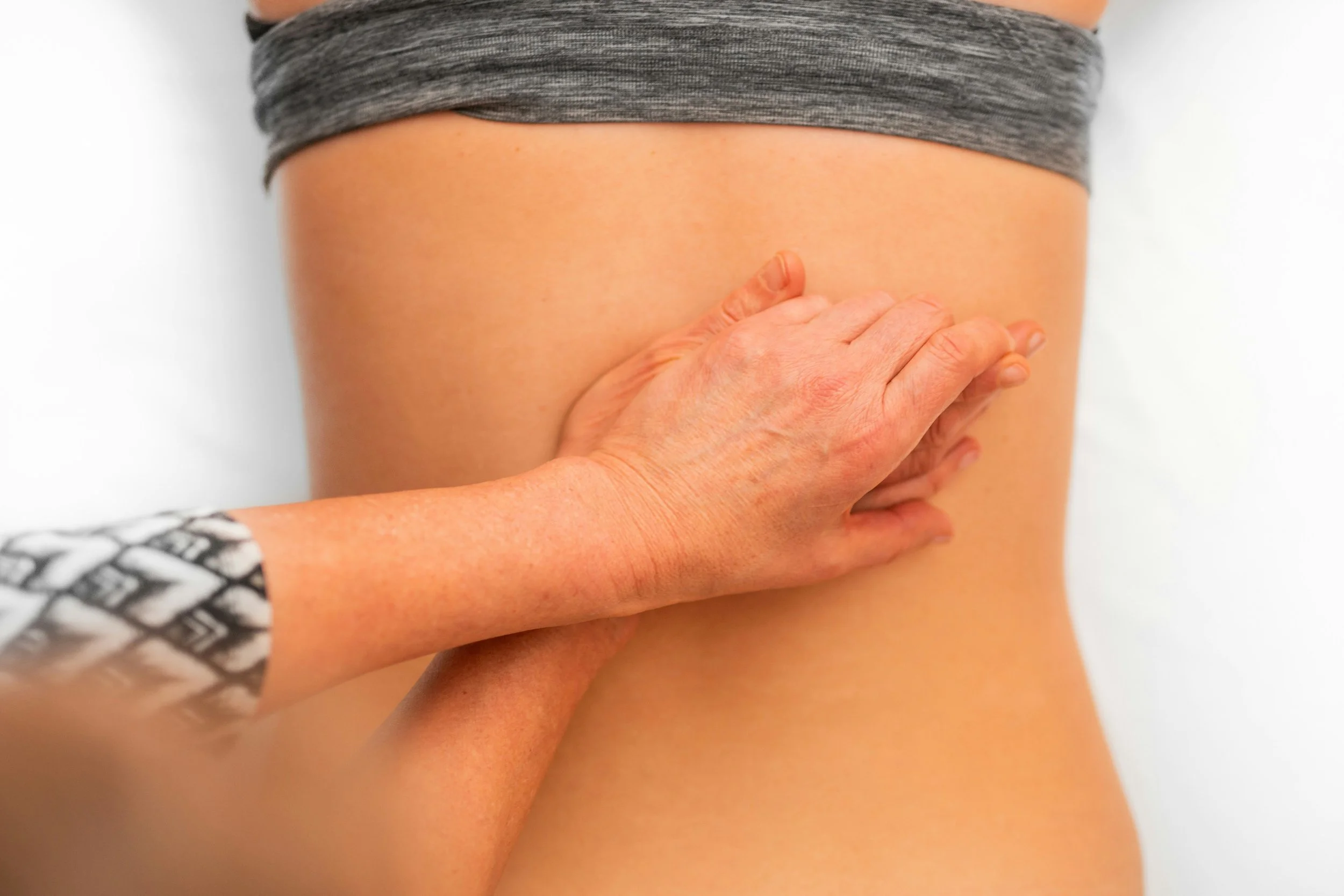







Our most requested massage option is the Integrative Massage. Combining multiple techniques to meet you where you are session to session. Each visit looks different: some more clinical, others lean towards relation and nurturing, but always exactly what you need in the moment. Get all the details of Janice’s most popular massage right here.