The Original Functional Medicine
Picture this. You've spent the last eight months doing everything right. You paid for the stool test, the organic acids panel, and the hormone panel. You cut gluten, dairy, sugar, and joy. You bought the pill organizer with the little days of the week on it (the big one, with morning-noon-afternoon-evening-bedtime compartments). You meditate. You journal. You have a spreadsheet.
And you still feel... mostly the same.
If that sounds familiar, you're not alone, and you're definitely not doing it wrong. I see people walk into my office with this exact story all the time. They've done the work. They've spent thousands. And they're tired in a way that has nothing to do with sleep.
Here's the thing I want you to know: the core idea behind functional medicine, finding the root cause and helping the body fix itself, is a great idea. It's just not a new one. There's a medical text that's been doing it for about 1,800 years, and it still runs circles around a lot of what's out there today.
Let's talk about the original functional medicine.
What is functional medicine, and how is it different from conventional medicine?
Functional medicine is a systems-based approach that asks why a symptom is happening, rather than only what to prescribe for it. It was formalized in the early 1990s through the Institute for Functional Medicine, and it has exploded in popularity over the past decade.
Conventional Western medicine is brilliant at a lot of things. Broken bones, infections, heart attacks, emergency surgery: if I'm in a car accident, please take me to an ER, not an herb shop. But its basic model is diagnose, then match the diagnosis to a treatment. You have reflux, so here's an acid blocker. Your thyroid is low, so here's thyroid hormone. The symptom gets managed, often very effectively. But the question of why your body stopped doing that job on its owndoesn't always get asked.
Functional medicine steps into that gap. A typical functional medicine workup looks something like this:
A long intake covering your history, diet, sleep, stress, and environment
Specialty lab testing, such as comprehensive stool analysis, organic acids, food sensitivity panels, micronutrient panels, and detailed hormone testing
Lifestyle overhaul with elimination diets, gut-healing protocols, and stress management
Targeted supplements chosen to correct the imbalances the labs revealed
There's real value here. A large Cleveland Clinic study found that patients in its functional medicine center reported bigger improvements in physical health at six months than similar patients in regular primary care (Beidelschies et al., 2019). That difference evened out by the one-year mark, but it's a meaningful signal that looking at the whole person helps.
So, great idea. The question is how well it's executed. And that's where an 1,800-year-old book has some opinions.
What is the Shang Han Lun?
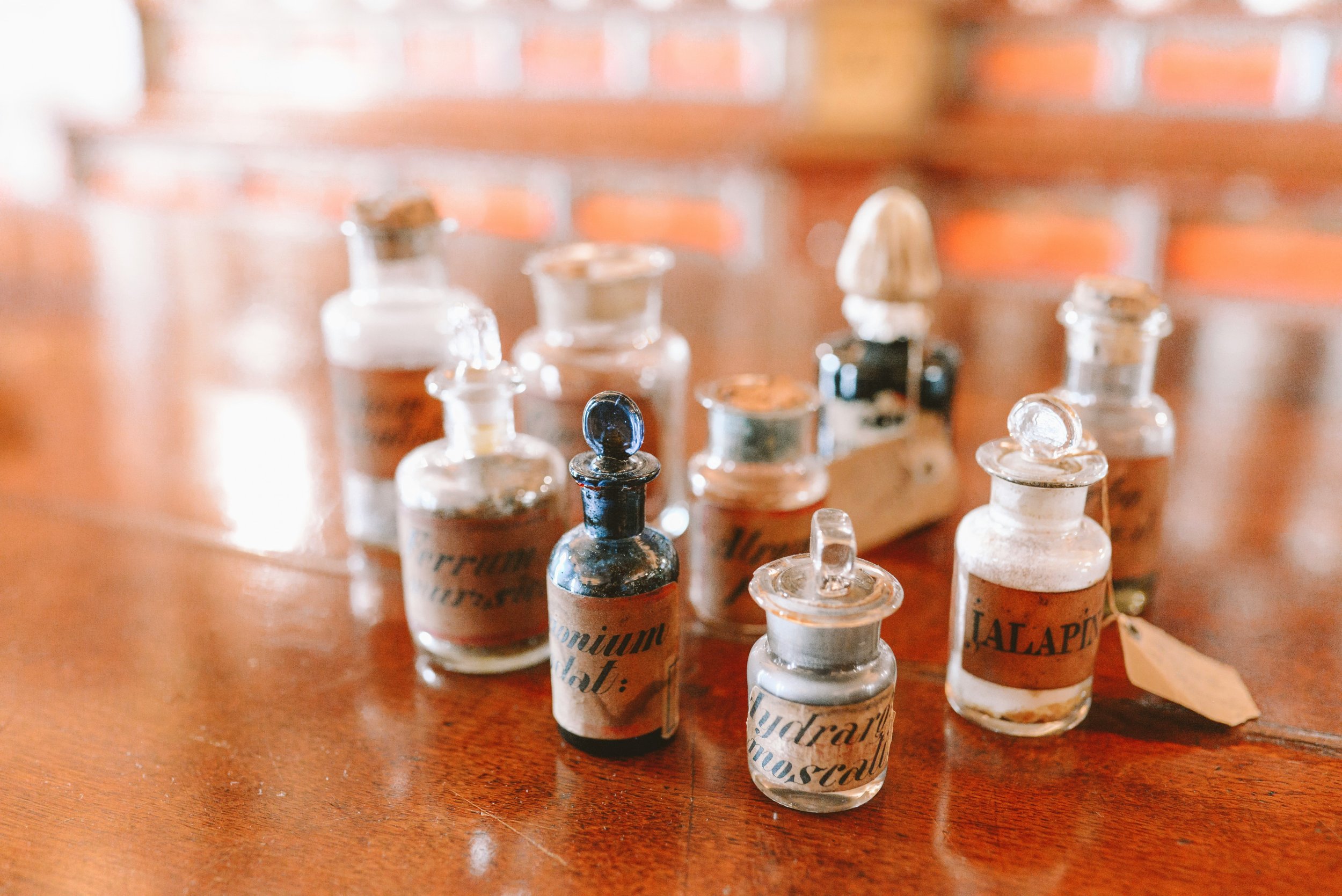
The Shang Han Lun ("Discussion of Cold Damage") is a Chinese clinical manual written by the physician Zhang Zhongjing around 200 CE. Together with its companion text, the Jin Gui Yao Lue ("Essentials from the Golden Cabinet"), it's among the oldest clinical medical texts in the world that doctors still use every single day to treat patients.
Let that sink in for a second. Most medical textbooks are outdated in about ten years. This one has been in continuous clinical use since the Roman Empire was still a thing.
Why has it lasted? Because it isn't really a recipe book. Sure, it contains a little over a hundred formulas. But what it's actually teaching is how the body works and what happens when it stops working well. Zhang Zhongjing described, line by line, how illness shows up, how it changes, and which formula matches each specific picture.
The whole approach boils down to two moves:
Clear what's in excess. Too much heat, cold, water, wind, stuck qi, or stagnant blood gets moved, drained, or cleared out.
Build what's deficient. When the body doesn't have enough resources (fluids, blood, warmth, digestive strength), you support the body so it can make more.
That's it. That's the "root cause" philosophy, written down 1,800 years before anyone printed it on a supplement label. You're not overriding the body's functions. You're removing what's blocking them and supplying what's missing, so the body can get back to running its own show.
In my practice, I work in the Tian lineage of Shang Han Lun herbalism, as taught through ICEAM by Arnaud Versluys (who studied with Dr. Zeng Rongxiu, a direct disciple of Dr. Tian Heming). This lineage treats the Shang Han Lun as a working map of human physiology, and that's exactly how I use it.
The Body Map - Chinese Medicine style
The six conformations are the Shang Han Lun's map of the body: six interlocking systems that each handle a different part of your physiology. Three are yang (the outward, active, protective side) and three are yin (the inward, nourishing, storing side). When one of them stops doing its job, it shows up as a recognizable pattern of symptoms.
Taiyang (Greater Yang): Your outer defense layer; circulates warmth and fluids to the surface. When it gets thrown off, you’ll experience chills, body aches, neck stiffness, sweating problems, the start of a cold, fluid metabolism issues with the bladder, possibly allergies or other immune system imbalances.
Yangming (Yang Brightness): Moves everything down and out: digestion, elimination, clears heat. When Yangming is out of balance, you might get constipation, thirst, acid reflux, a big appetite, irritability, or feel hot all the time.
Shaoyang (Lesser Yang): Keeps things flowing between inside and outside, manages the interactions between organs and systems of the body. This is a common conformation for people to get stuck in, you’ll feel alternating hot and cold, rib-side tension, bitter taste, nausea, moodiness, PMS or any symptom that comes and goes.
Taiyin (Greater Yin): Digestive strength; turns food into usable fluids and energy. Issues here show up as bloating, loose stools, fatigue after eating, low appetite, water retention. This is where your body’s resources have started to wane and you head into deficient territory.
Shaoyin (Lesser Yin): Your deep battery; the core warmth and fluid reserves. This is where exhaustion, always feeling cold, wanting to sleep all the time, or being restless and wired-tired show up.
Jueyin (Absolute Yin): Where yin turns back into yang; stores blood and restarts the cycle. You’ll have cold hands and feet with hot upper body, cramping, stubborn cyclical issues. Many hormonal issues end up here, sometimes cycling with Shaoyang.
How the conformations work together
Here's where it gets beautiful. These six aren't separate boxes. Each yang conformation has a yin partner, and they work in pairs as an opener, a closer, and a pivot. Taiyang opens yang outward, Yangming closes it down and in, and Shaoyang is the hinge between them. On the yin side, Taiyin opens, Jueyin closes, and Shaoyin is the pivot. If a door is stuck open or jammed shut, the whole house feels it.
That means a problem in one conformation rarely stays put. Weak Taiyin digestion can't make enough fluids, so Yangming dries out and you get constipation. A stuck Shaoyang can back things up in both directions and cause heat to build. Everything is connected, which is why treating one symptom in isolation so often fails.
How the six conformations mirror nature
Ancient Chinese physicians didn't invent this system in a vacuum. They watched the natural world and noticed that the body follows the same rhythms.
Think about a single day. The sun rises and pushes energy outward (Taiyang, opening). By afternoon it starts to descend and the temperature rises (Yangming, closing). Dusk is the in-between moment (Shaoyang, the hinge). Night is the deep, restorative, inward phase (the yin conformations), and just before dawn, yin turns over into yang again (Jueyin), and the cycle restarts.
The seasons do the same thing on a bigger scale: spring and summer push growth outward, autumn gathers it back in, winter stores it deep in the roots. Even the water cycle fits: water warms and rises as vapor, gathers into clouds, falls as rain, sinks into the earth, and gets warmed again.
Your body is doing that same dance every day, with warmth, fluids, air, and blood. When one part of the cycle gets stuck, you feel it. The Shang Han Lun simply tells us where it's stuck and how to get it moving again.
How does Shang Han Lun diagnosis work?
Shang Han Lun diagnosis uses three main tools: your symptoms, your pulse, and your abdomen. No stool kit mailed to a lab. No six-week wait for results. The information is right there in your body, and a trained practitioner can read it in real time.
Your symptoms (and I mean all of them). I'll ask about things that might seem unrelated: whether you're thirsty and hungry, how you sleep, whether your feet are cold, if you sweat easily, what your stools look like, what time of day you feel worst. To me, these aren't random. They're clues about which conformation is struggling and how.
Your pulse. In this lineage, the pulse tells us a lot about what's happening: this is the heart of the system and what differentiates it from other types of herbalism. Many of our common herbs and formulas have specific pulse presentations - a quality to the pulse at a particular position - that leads directly to the right formula for you, without a lot of theory and overthinking. Each of the conformations has a place in the pulse, and that pulse position could be floating, wiry, deep, slippery, big, hollow, weak, tight, or expiring. If you ask, I can tell you what your pulse picture is, and what it means.
Your abdomen. This is the part that surprises people. The Shang Han Lun describes specific abdominal findings that point to exact formulas: a tight, blocked feeling right under the breastbone; fullness and tension under the ribs; weakness low in the pelvis. Japanese Kampo physicians later developed this into a whole art of abdominal palpation, and it remains one of the most reliable tools I have. Your belly doesn't lie.
Reading the layers: qi, water, and blood
Once I know which conformation is involved, I look at what's stuck or missing. Think of your body as having three layers of flow:
Qi in this lineage simply means air. When it's stuck, you feel tension, bloating, irritability, pain that moves around.
Water is the fluid layer. When fluids don't circulate, you get swelling, dizziness, heaviness, loose stools, or, oddly, dryness in some places and puffiness in others.
Blood is the deepest, most material layer. When blood is deficient or stagnant, you might see painful periods, clotting, fixed stabbing pain, dry skin, or poor sleep.
Why this makes treatment organized and progressive
Here's the really elegant part: disease tends to move through these systems in somewhat predictable ways. A problem that starts at the surface (Taiyang) can move inward if it isn't resolved. A qi problem that sits long enough can become a water problem, and a water problem left long enough can drag the blood into it.
Because I can see where you are on that map, I can also see where you've been and where you're likely headed. So treatment has a logical order. We clear what's most pressing, see how your body responds, and then address the next layer. It's less like throwing darts and more like following a trail of breadcrumbs back home.
What does the research say about Shang Han Lun formulas?
The research supports a key idea: Shang Han Lun formulas are designed to treat patterns in people, not Western disease labels. And when researchers ignore that, the results get muddier.
Symptom patterns don't line up with Western diagnoses. A 2024 study from the University of Göttingen used traditional Kampo questionnaires with gastroenterology patients. The researchers found that patients' symptom patterns were independent of their underlying disease. Two people with the same diagnosis can have completely different patterns, and two people with different diagnoses can share one (Zedler et al., 2024). That's exactly what Zhang Zhongjing was saying 1,800 years ago.
Individualized formulas have staying power. In a well-known randomized, placebo-controlled trial published in JAMA, people with IBS received either a standard Chinese herbal formula, an individualized formula, or a placebo. Both herbal groups improved more than placebo during treatment. But 14 weeks after treatment ended, only the individualized group was still holding onto their improvement (Bensoussan et al., 1998). A formula matched to the person seemed to change something deeper.
Most trials don't even test the method as designed. A systematic review of 378 randomized trials of Kampo (Japanese herbal medicine built on the Shang Han Lun) found that about 85% didn't use traditional pattern diagnosis at all (Motoo et al., 2014). In other words, most research gives one formula to everyone with the same Western diagnosis. It's a bit like testing whether glasses work by handing everyone the same prescription.
Even so, classical formulas show real effects. Banxia Xiexin Tang is a Shang Han Lun formula for a specific picture: a blocked, uncomfortable feeling under the breastbone, with heat above and weakness below. In two randomized, placebo-controlled trials, it helped with painful mouth sores caused by chemotherapy, and a pooled analysis found a real treatment effect compared with placebo (Nishikawa et al., 2018). When a formula fits the pattern, it tends to show up in the data, even under less-than-ideal study conditions.
The honest takeaway: the research on classical formulas is growing, and some of it is quite promising. The strongest results tend to come when the formula matches the person. That's not a coincidence. That's the whole point of the method.
One formula vs. thirty pills: how is treatment different?
In Shang Han Lun herbalism, you take one formula at a time. That formula usually contains somewhere between 4 and 12 herbs, and it's built as a team, not a pile. Each herb has a job, and the herbs balance and amplify each other. Some treat the symptom directly, some guide, some protect your stomach, others keep checks and balances to abate side effects.
Then I tailor that formula to you. Maybe your pulse is showing some trauma, so we adjust for that. Maybe your digestion is off, so we add another small formula for that. And as your symptoms and pulse change (which they will, often quickly), the formula changes with them. What you take in week one may look quite different from what you take in week six, because you look different in week six.
The typical functional medicine protocol, on the other hand, can look like this:
Diagnosis - Specialty lab panels, often hundreds to thousands of dollars, wait weeks for results, versus reading your body during the treatment and taking home herbs that day.
What you take - Often 10 to 30+ pills a day, sometimes spread over 4 to 5 doses, versus one formula, 4 to 12 herbs, 2 times a day
How it's chosen - Often matched to lab results through a standard protocol, versus matched to your pattern and constitution.
How it changes - Often fixed for months until retesting versus adjusting as your symptoms and pulse shift
When people notice changes - Often weeks to months versus often within 1 to 2 weeks, sometimes within days
I want to be fair here. Some functional medicine practitioners are thoughtful and skilled, and good nutrition and stress management matter a lot. I encourage both! But I can't tell you how many patients have come to me after doing the whole program. They spent thousands of dollars. They got their diet dialed in to the gram. They took the handfuls of capsules, did the breathwork, got the sleep. And their quality of life barely moved.
Here's a composite example based on patients I've seen over the years. A woman in her late thirties came in after a year of functional medicine care for bloating, fatigue, and irregular cycles. She was taking 22 supplements a day and eating a very restricted diet. Her abdomen told a clear story: fullness and tension under the ribs, with a pulse that pointed to a stuck Shaoyang and poor fluid movement. We started a modified Xiao Chaihu Tang formula. Within ten days, her bloating had eased noticeably and her energy was picking up. Over the following months, we adjusted her formula as things shifted, and she gradually brought back foods she'd been avoiding.
That's the difference between supplementing a body and restoring its function. When you fix the machinery, you don't have to keep feeding it spare parts.
Why is it getting harder to find a good functional medicine practitioner?
Functional medicine has become so popular that it's turned into big business, and that's changed what a lot of it looks like in practice. There are weekend certifications, turnkey "practice-in-a-box" programs, and supplement companies offering practitioners a cut of every bottle sold.
None of that makes someone a bad clinician. But it does create a pull toward what I'd call protocol medicine: everyone with a certain lab result gets the same gut-healing kit, the same adrenal stack, the same 90-day plan. Which, if you think about it, is the exact thing functional medicine was supposed to be the alternative to. It's the "one diagnosis, one treatment" model again, just with fancier bottles.
Really individualized care is harder. It takes years of training and a lot of clinical hours to read a body well. So if you're shopping for a practitioner (functional, herbal, or otherwise), here are a few questions worth asking:
Will my treatment change as I change? It should.
How many things will I be taking? More isn't better. It's often just more.
How will we know it's working, and how soon? You deserve a clear answer.
Do you sell the products you're recommending? Not a deal-breaker, but good to know.
What's your training? For Chinese herbal medicine, look for someone with board certification in herbology (like NCCAOM) and, ideally, deep training in a classical lineage.
A good practitioner, in any tradition, should make your life simpler over time, not more complicated.
Frequently asked questions
Is Shang Han Lun herbal medicine a type of functional medicine?
In spirit, yes. Both look for the root cause and aim to restore the body's own function. The Shang Han Lun just got there about 1,800 years earlier and uses a different diagnostic system: symptoms, pulse, and abdominal palpation instead of specialty lab panels.
How old is the Shang Han Lun?
It was written by the physician Zhang Zhongjing around 200 CE, at the end of China's Han dynasty. It's one of the oldest clinical medical texts still used in everyday practice.
What are the six conformations in Chinese medicine?
They're six interconnected systems described in the Shang Han Lun: Taiyang, Yangming, Shaoyang, Taiyin, Shaoyin, and Jueyin. Each governs a different aspect of physiology, like surface defense, digestion, elimination, or deep reserves. Illness is understood as one or more of these systems not doing its job.
Do I need lab tests before starting Chinese herbs?
Not for the herbal diagnosis itself. Your practitioner reads your pattern through your symptoms, pulse, and abdomen. That said, I'm always happy to look at labs you already have, and I'll refer you for Western testing when it's medically appropriate.
How quickly do Chinese herbal formulas work?
Many people notice changes within one to two weeks, and sometimes within a few days, especially with digestion, sleep, and energy. Long-standing or complex conditions usually take longer to fully resolve, and the formula gets adjusted along the way.
How many herbs are in a Shang Han Lun formula?
Most classical formulas contain about 4 to 12 herbs. Some of the most powerful ones have only three or four. It's about the right combination, not the most ingredients.
Can I take Chinese herbs with my medications or supplements?
Often, yes, but always tell your herbalist everything you're taking. A qualified practitioner will check for interactions and coordinate with your other providers. Many patients find they can simplify their supplement list over time.
Are Chinese herbs safe?
When prescribed by a trained, licensed herbalist using quality-tested herbs, Chinese herbal medicine has a good safety record. Like anything that actually does something in the body, herbs should be matched to the person and monitored, which is exactly what this approach is built to do.
Is Chinese herbal medicine cheaper than functional medicine?
For many people, yes. There's usually no expensive specialty testing, and one formula typically costs far less than a large supplement protocol. Costs vary by practitioner and how long you need treatment.
Does the Shang Han Lun only treat colds and flu?
No. "Cold damage" in the title refers to how the text starts, with acute illness, but the principles apply to almost everything: digestion, fertility, menstrual health, anxiety and sleep, chronic fatigue, and more. The companion text, the Jin Gui Yao Lue, focuses specifically on chronic and complex conditions.
Key takeaways
Functional medicine's big idea, treating the root cause, is a good one. It's also about 1,800 years old.
The Shang Han Lun (c. 200 CE) is a manual of how the body works, not just a list of formulas. It clears what's in excess and builds what's deficient.
Six interconnected conformations, mirroring the rhythms of day, season, and water, map where the body is stuck.
Diagnosis uses symptoms, pulse, and abdominal palpation to read the qi, water, and blood layers, and to track how illness moves.
Research shows symptom patterns cut across Western diagnoses, and individualized formulas can have more staying power.
One tailored formula of 4 to 12 herbs, adjusted as you change, often shows results in one to two weeks, without a 30-pill-a-day routine.
References
Beidelschies M, et al. Association of the functional medicine model of care with patient-reported health-related quality-of-life outcomes. JAMA Netw Open. 2019;2(10):e1914017. Link
Bensoussan A, et al. Treatment of irritable bowel syndrome with Chinese herbal medicine: a randomized controlled trial. JAMA. 1998;280(18):1585–1589. Link
Motoo Y, Arai I, Tsutani K. Use of Kampo diagnosis in randomized controlled trials of Kampo products in Japan: a systematic review. PLoS ONE. 2014;9(8):e104422. Link
Nishikawa K, et al. The clinical impact of Hangeshashinto (TJ-14) in the treatment of chemotherapy-induced oral mucositis in gastric cancer and colorectal cancer: pooled analysis of two phase II randomized clinical trials. J Cancer. 2018;9(10):1725–1730. Link
Zedler P, et al. Traditional clinical symptoms and signs: Kampo pattern diagnosis in modern gastrointestinal disease. Front Pharmacol. 2024;15:1426491. Link