
What is Fertility Massage - and can it actually help you conceive?
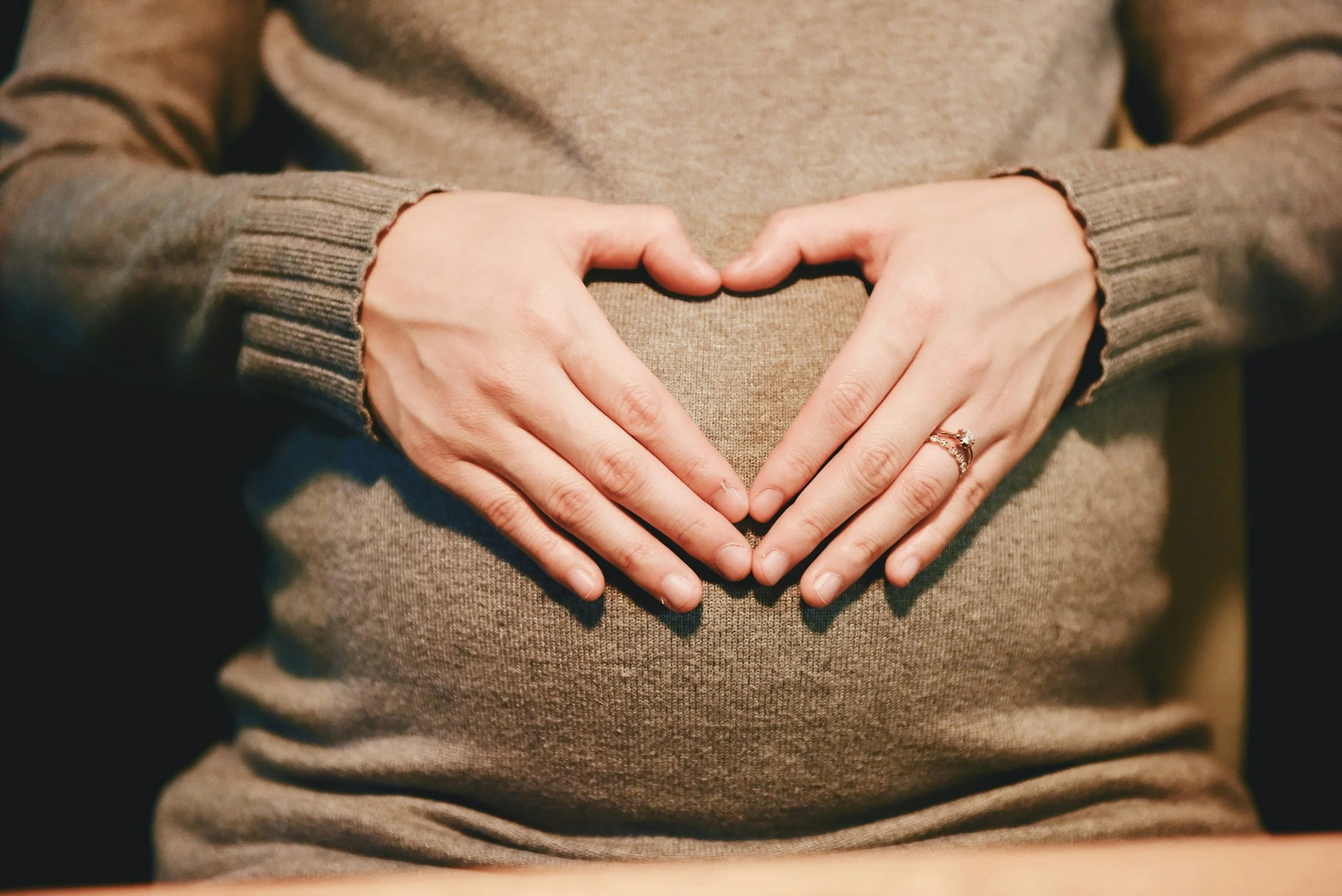
If you've been on a fertility journey for any length of time, you've probably heard the advice: just relax. And if you're anything like most of our patients here at Dragonfly Acupuncture & Massage in Greenville, SC, that well-meaning suggestion probably made you want to scream.
Here's the thing though — the underlying idea isn't completely wrong. Stress genuinely does affect your body's ability to conceive, and there's real research to back that up. What's missing from that advice is the how. Relaxation isn't a passive thing you can just decide to feel. It happens in your body, through your nervous system, in your tissues. And that's exactly where fertility massage comes in.
Our massage therapist Janice offers a specialized fertility massage session that addresses the whole picture — circulation, pelvic health, lymphatic function, and your nervous system — all in one intentional, deeply supportive treatment. Here's what it involves, what the science says, and whether it might be the right piece of your puzzle.
What Is Fertility Massage?
Fertility massage is a targeted, therapeutic style of bodywork focused on the abdominal, pelvic, and sacral regions — the areas of the body most directly involved in reproductive health. Unlike a general relaxation massage, fertility massage is intentional and anatomically informed. It works with specific tissues, systems, and structures that support ovulation, menstruation, hormonal signaling, and uterine receptivity.
It's not a replacement for medical care. But as a complement to whatever path you're on — whether you're trying to conceive naturally, preparing for IUI or IVF, or simply trying to get your cycle more regular — it can be a genuinely meaningful addition.
What Does A Session Look Like?
Janice's fertility massage integrates four main therapeutic elements, each of which does something distinct.
Lymphatic Drainage
Your lymphatic system is your body's housekeeping crew. It clears waste, manages inflammation, and keeps your immune environment balanced — and in the pelvis specifically, good lymphatic flow helps reduce congestion that can interfere with reproductive function. Lymphatic drainage uses light, rhythmic strokes to encourage fluid movement through the lymph vessels. It's gentle, but it has a meaningful downstream effect on tissue health and hormonal clearance.
Abdominal Massage
This is the heart of the session. Working across the lower abdomen, Janice uses techniques that address the soft tissue and fascia surrounding your uterus, ovaries, and fallopian tubes. Fascia — the connective tissue that wraps every organ and muscle — can tighten in response to old injuries, surgery (including C-sections), endometriosis, stress, or even just years of sedentary desk life. When fascial tension is present around the reproductive organs, it can restrict circulation, compress structures, and subtly throw things off.
Abdominal massage helps release that tension, which in turn supports better blood flow to the uterus and ovaries. And blood flow matters a lot: adequate uterine circulation is considered foundational to endometrial receptivity — meaning how well your uterine lining is able to accept a fertilized egg. [Research published through the National Institutes of Health] consistently identifies uterine blood flow as one of the key variables in implantation success.
Pelvic and Sacral Work
The pelvis and sacrum are the structural anchors of your reproductive system, and they carry a lot. Old injuries, tight hip flexors, stored emotional tension — it all lands here. Janice works along the sacrum and hips to release chronic holding patterns, encourage range of motion, and bring more ease to the whole pelvic bowl. Many people notice relief from menstrual pain, low back tension, and pelvic heaviness after this component of the session.
There's also a meaningful connection between sacral nerve function and reproductive signaling. The sacral plexus innervates the uterus, ovaries, and bladder — so when the sacral area is chronically tight or compressed, it can subtly dull the nerve communication those organs depend on.
Nervous System Regulation
This is the thread that runs through everything else. No matter how precise the technique, your body can't receive the full benefit of any bodywork if your nervous system is stuck in fight-or-flight mode. Janice moves slowly and deliberately, checks in with your breath, and uses grounded touch that signals safety to your nervous system. Over the course of a session, your physiology shifts — heart rate drops, breathing deepens, muscle tone softens. That shift isn't just pleasant. It has downstream effects on your hormonal environment, particularly on cortisol and the HPA axis, which directly influence ovulation and cycle regularity.
What Does the Research Say?
Let's be honest: the research on fertility massage specifically is still growing, and we're not going to oversell it. But the underlying mechanisms are well-supported, and some early studies are genuinely promising.
On stress and fertility: A landmark study published in Human Reproduction followed 501 couples over twelve months as they tried to conceive. Women with the highest levels of alpha-amylase — a salivary biomarker of stress — had a 29% reduction in their likelihood of conceiving each cycle, and were more than twice as likely to meet the clinical definition of infertility after a full year. That's not a small effect. Reducing chronic stress isn't a soft, feel-good add-on. It's mechanistically relevant to whether you get pregnant.
A related study published in Fertility and Sterility found that stress "significantly reduced the probability of conception each day during the fertile window," concluding that it likely does so through the sympathetic nervous system — exactly the system that massage directly downregulates.
On pelvic bodywork and adhesions: A 2004 study published in Medscape General Medicine looked at women with suspected or confirmed pelvic adhesions, including endometriosis, who received targeted abdominal and pelvic bodywork. Of those trying to conceive naturally, 71% became pregnant within one year without additional medical intervention. Of those preparing for IVF, the success rate was 66% — notably higher than population averages at the time.
On blood flow: Research consistently shows that massage therapy improves circulation by releasing muscular tension and fascial restriction. While fertility-specific circulation studies are still limited, pelvic blood flow is well-established as foundational to follicle development, egg quality, endometrial thickness, and implantation.
The honest summary: fertility massage isn't a magic fix, and anyone telling you otherwise is overselling it. But the mechanisms it works through — stress reduction, circulation, fascial release, nervous system regulation — are genuinely connected to reproductive health, and the emerging research reflects that.
What Does a Session Actually Feel Like?
Maya came to us after eighteen months of trying to conceive. She'd already completed one round of IVF that didn't result in a pregnancy, and she was preparing for a second transfer. She wasn't sure massage could do anything for her — she'd heard of it but filed it in the "can't hurt, might not help" category. Her main complaints coming in were low back pain, irregular spotting before her period, and what she described as a general sense of being disconnected from her own body. She was exhausted and anxious, and she felt like her body had become a medical project rather than something that was hers.
Her first session with Janice ran about 75 minutes. She spent time on her back while Janice worked through the lymphatic sequence and abdominal work, and then shifted to side-lying for the sacral component. Maya said the abdominal work was more intense than she expected — not painful, but emotionally activating in a way she hadn't anticipated. She cried a little. Janice held space for that without making it weird.
By the end of the session, Maya said she felt something she hadn't in a long time: like she was back inside her body rather than watching it from a distance. Her low back pain was noticeably reduced. The pre-period spotting improved significantly over the following two cycles.
Did the massage get her pregnant? We can't know for certain — she did eventually conceive on her second FET, with acupuncture and massage both integrated into her protocol. What we can say is that she came in feeling alienated from her own body and left feeling at home in it. For a lot of people on a fertility journey, that's no small thing.
Maya is a composite patient. Details have been changed for privacy.
Who Is Fertility Massage For?
Fertility massage can be a good fit if you're:
- Trying to conceive naturally and want to support your body holistically
- Preparing for IUI or IVF (sessions are typically timed to the follicular phase, after your period ends and before ovulation)
- Dealing with a history of pelvic surgery, C-section, endometriosis, or PCOS
- Experiencing irregular cycles, menstrual pain, or pre-period spotting
- Carrying a lot of physical or emotional stress related to your fertility journey
- Simply wanting to feel more connected to and at home in your body
It's worth noting that fertility massage is generally avoided after confirmed ovulation if you're actively trying to conceive (or during the two-week wait post-transfer), and should be discussed with your care team if you have any active pelvic inflammatory conditions.
Frequently Asked Questions
What is fertility massage?
Fertility massage is a specialized form of therapeutic bodywork focused on the abdominal, pelvic, and sacral regions. It uses techniques including lymphatic drainage, abdominal tissue work, and nervous system regulation to support reproductive health by improving circulation, releasing fascial tension, and reducing the physiological effects of chronic stress.
Does fertility massage actually work?
The research is promising but still developing. Studies show strong links between the mechanisms fertility massage targets — stress reduction, pelvic circulation, fascial release — and reproductive outcomes. A 2004 study found 71% of women with pelvic adhesions conceived within a year after targeted abdominal and pelvic bodywork. A landmark study in Human Reproduction found that high stress biomarkers were associated with a 29% reduction in conception rates. Fertility massage isn't a guarantee, but it works through pathways that are genuinely relevant to fertility.
Can fertility massage help with IVF?
Yes — many people integrate fertility massage into their IVF protocol as a complementary support. Sessions are typically timed to the follicular phase (after your period and before transfer) to support endometrial receptivity and reduce stress. A 2015 study also found that abdominal massage before blastocyst transfer may improve implantation chances. Always let your RE and your massage therapist know what phase of treatment you're in.
When in my cycle should I get a fertility massage?
The follicular phase — after your period ends and before ovulation — is generally considered the ideal window. This is when the uterine lining is developing and pelvic blood flow is most active. Most practitioners advise avoiding deep abdominal massage after ovulation if you're actively trying to conceive, due to the possibility (however small) of disruption during implantation.
Can fertility massage help with endometriosis?
Abdominal and pelvic massage may help reduce pain associated with endometriosis and improve circulation in tissue that is often restricted by adhesions. The 2004 Medscape study included women with endometriosis in its cohort, and results were positive. It's not a treatment for endometriosis itself, but it can be a meaningful part of a broader support plan.
Is fertility massage safe?
Yes, when performed by a trained therapist, fertility massage is safe for most people. It's non-invasive and external. Contraindications include active pelvic infection, confirmed pregnancy (in the early weeks), IUD placement, and certain gynecological conditions — your therapist will go through an intake with you before your session to make sure it's appropriate.
How many sessions do I need?
That depends on what you're working with. Some people notice meaningful shifts after a single session. For those with more complex histories — significant adhesions, chronic stress, irregular cycles — a series of four to six sessions over two to three months may be more effective. Janice will give you an honest assessment after your first visit.
What's the difference between fertility massage and a regular massage?
A general massage aims to relax muscles and reduce overall tension — wonderful things, but not specifically therapeutic for reproductive health. Fertility massage is anatomically targeted: it focuses on the abdominal organs, pelvic floor, sacrum, and lymphatic system with specific techniques designed to support circulation, fascial mobility, and hormonal balance in the reproductive region.
Do I need an infertility diagnosis to book a session?
Nope. Fertility massage can be beneficial whether you've been formally diagnosed with a fertility-related condition or you're simply in a general "trying to conceive" phase and want to support your body well. It's also a beautiful option for cycle regulation, menstrual pain, or just wanting to feel more embodied.
How do I book a fertility massage in Greenville, SC?
You can book directly with Janice by clicking the button below. If you have questions about whether it's the right fit, reach out — we're happy to chat before you commit to an appointment.